November 20, 2026
A swimming pool adds enjoyment and value to a property, but it also creates important safety responsibilities. Installing a properly designed pool fence helps prevent unauthorized access and reduce accidents. However, pool fencing must meet safety requirements that vary by location.
At Good Neighbor Fence Company, we understand the importance of combining safety, durability, and attractive design. Working with an experienced fencing company helps property owners navigate regulations, select materials, and achieve a secure installation. Professional expertise makes a difference when creating a pool enclosure that protects loved ones while complementing the property.
Understanding Pool Fence Regulations and Safety Requirements
Meeting Local Building Codes
Pool fencing regulations establish safety requirements for residential and commercial swimming pools. Depending on the jurisdiction, these rules address fence height, spacing between components, gate placement, and locking mechanisms.
A professional fencing company understands the importance of reviewing applicable building codes before installation. Requirements differ between municipalities, making it essential to evaluate each property's circumstances.
Our team helps homeowners understand relevant requirements and plan fencing solutions that prioritize safety and compliance.
Preventing Common Compliance Problems
One common misconception is that any backyard fence can serve as an adequate swimming pool barrier. Pool enclosures often require specialized features that ordinary perimeter fences lack.
Potential compliance problems include gates that open incorrectly, inadequate barrier heights, excessive openings, and improperly positioned latches. Nearby structures or landscaping may also create climbing opportunities.
Professional planning identifies these concerns before construction begins, reducing costly modifications.
Protecting Property Owners and Families
An improperly installed pool fence can expose property owners to safety and financial risks. Depending on local requirements, violations may lead to inspection failures, corrective work, or penalties.
More importantly, an inadequate barrier may allow children or unauthorized visitors to enter the pool area.
Although fencing cannot replace active supervision, a properly constructed enclosure provides additional protection. Our goal is to help customers establish safer outdoor environments through professional installation.
Choosing Durable Materials for Pool Fence Installation
Comparing Available Fencing Materials
Selecting appropriate materials is essential for achieving a durable pool enclosure. Common options include aluminum, vinyl, steel, and chain-link fencing, although not every material meets every jurisdiction's pool barrier requirements.
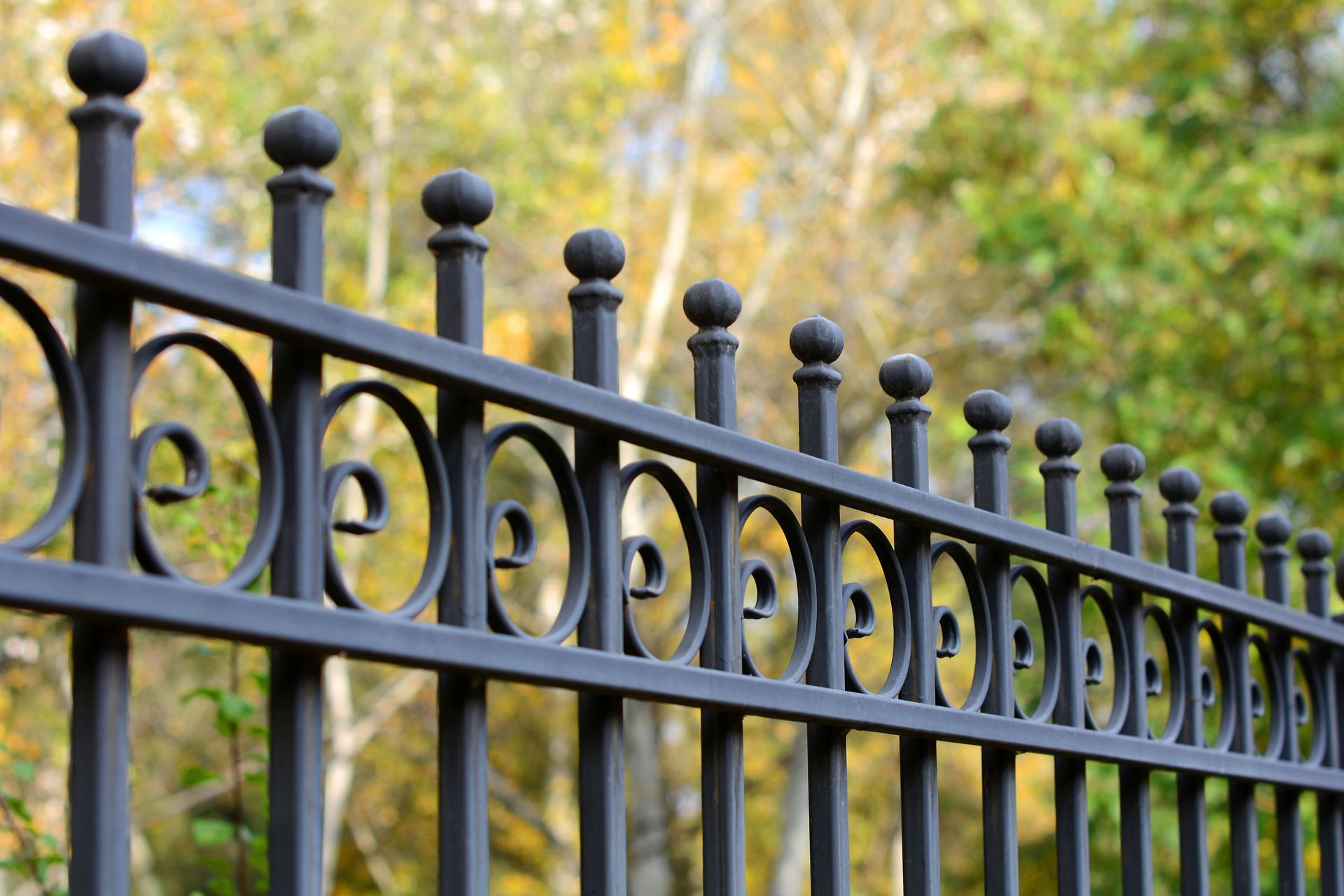
Aluminum offers corrosion resistance and a clean appearance. Vinyl provides privacy and straightforward maintenance, while steel offers strength and decorative appeal.
An experienced fencing company can help customers compare these materials based on property conditions, budget, and safety requirements.
Evaluating Fence Longevity and Maintenance
Durability determines the long-term value of a pool fence. Materials experience continuous exposure to sunlight, moisture, temperature changes, and environmental conditions.
According to Bob Vila, chain-link fences typically last 20 years. Actual service life depends on material quality, protective coatings, environmental exposure, and maintenance.
Although chain-link fencing provides an economical option, its suitability for pool enclosures depends on local codes and design features.
Professional material selection helps property owners balance longevity, maintenance, and safety.
Balancing Appearance and Functionality
Pool fencing should enhance the outdoor environment without sacrificing protective features. Decorative designs, coordinated finishes, and planned layouts can complement landscaping and architectural details.
However, attractive fencing must still meet requirements concerning visibility, openings, height, and gate operation.
At Good Neighbor Fence Company, we believe homeowners should not have to choose between visual appeal and practical performance. Our approach emphasizes both priorities.
Planning a Professional Pool Fence Installation
Assessing Property Conditions
Every successful installation begins with a property evaluation. Terrain, existing structures, drainage conditions, and available space influence fence placement and construction methods.
Sloped yards may require specialized layouts to maintain appropriate barrier clearances. Existing patios, retaining walls, and landscaping can also affect installation.
A qualified fencing company evaluates these conditions before recommending an approach. This preparation minimizes complications and supports efficient installation.
Developing a Customized Fence Design
Once property conditions have been assessed, the next step involves creating a layout that addresses safety requirements and homeowner preferences.
Design considerations include access points, gate locations, fence materials, and surrounding structures.
Planning also considers how residents will use the pool area. Convenient access is important, but it must never compromise gate security or barrier effectiveness.
Our team works with customers to develop practical designs that complement their outdoor spaces.
Completing Installation and Final Inspections
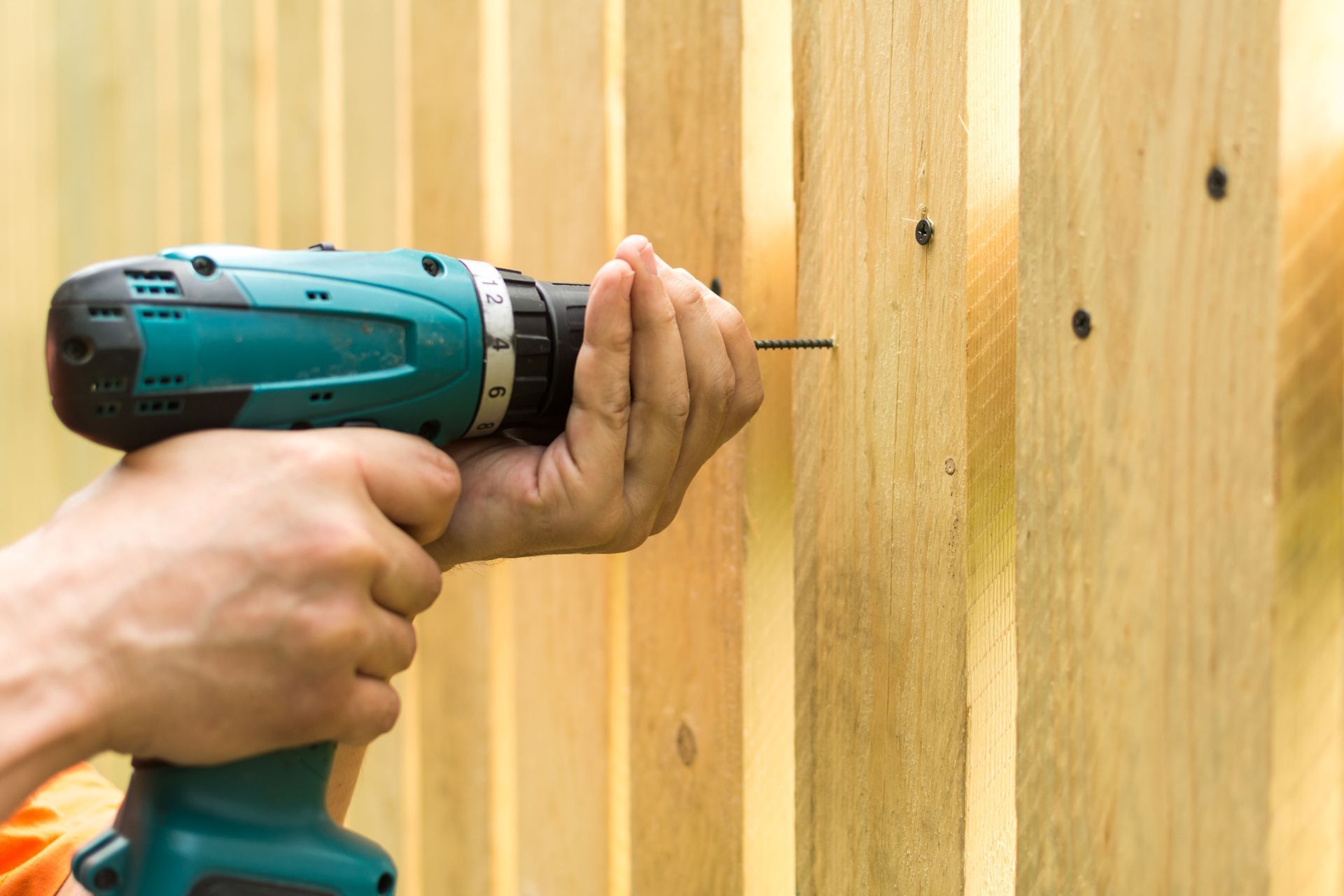
Professional installation requires accurate measurements, secured posts, appropriate hardware, and structural alignment.
Gate installation deserves particular consideration because gates are frequently used and must function reliably.
After construction, installers should evaluate gate operation, latch engagement, structural stability, and other safety features.
Municipal inspections may also be required before the pool enclosure receives final approval. These evaluations help confirm compliance with applicable requirements.
Addressing Common Pool Fence Installation Challenges
Managing Uneven Terrain and Landscaping
Uneven ground can complicate pool fence installation by creating gaps beneath barriers or affecting post placement.
Landscaping features introduce challenges when trees, decorative walls, or existing structures interfere with the fence line.
Experienced installers evaluate these obstacles and develop solutions without compromising safety.
Professional planning ensures the finished enclosure works with the property's existing characteristics.
Navigating Permits and Property Boundaries
Permitting requirements and property boundaries are important considerations for fencing projects.
Some municipalities require permits, inspections, or documentation before construction begins. Homeowners associations may impose restrictions concerning appearance and placement.
Property surveys may also be necessary when boundary locations are uncertain.
Working with a knowledgeable fencing company helps customers identify these considerations early and avoid project delays.
Accommodating Weather and Scheduling Conditions
Weather can influence installation schedules, particularly when heavy rainfall affects soil stability or creates difficult working conditions.
Material availability, site accessibility, and project complexity may also affect completion timelines.
Professional contractors account for these variables during planning and communicate scheduling adjustments.
At Good Neighbor Fence Company, we recognize that homeowners value dependable service and clear expectations throughout their projects.
Understanding Pool Fence Installation Costs
Identifying Factors That Influence Pricing
Pool fence installation costs vary according to material selection, fence length, terrain, gate requirements, and installation complexity.
Decorative materials and specialized hardware may increase expenses, while challenging ground conditions require additional labor.
Permits, removal of existing fencing, and site preparation may also affect the budget.
A professional estimate helps customers understand anticipated expenses before construction begins.
Evaluating Long-Term Value
The least expensive installation option does not always provide the best long-term value.
Quality materials, appropriate construction methods, and dependable hardware can reduce deterioration and unexpected repairs.
An experienced fencing company helps homeowners consider immediate expenses and future maintenance requirements.
Professional installation also reduces problems caused by incorrect measurements, unsuitable materials, or overlooked safety requirements.
Considering Maintenance and Future Repairs
Every pool fence requires periodic attention to remain functional and attractive.
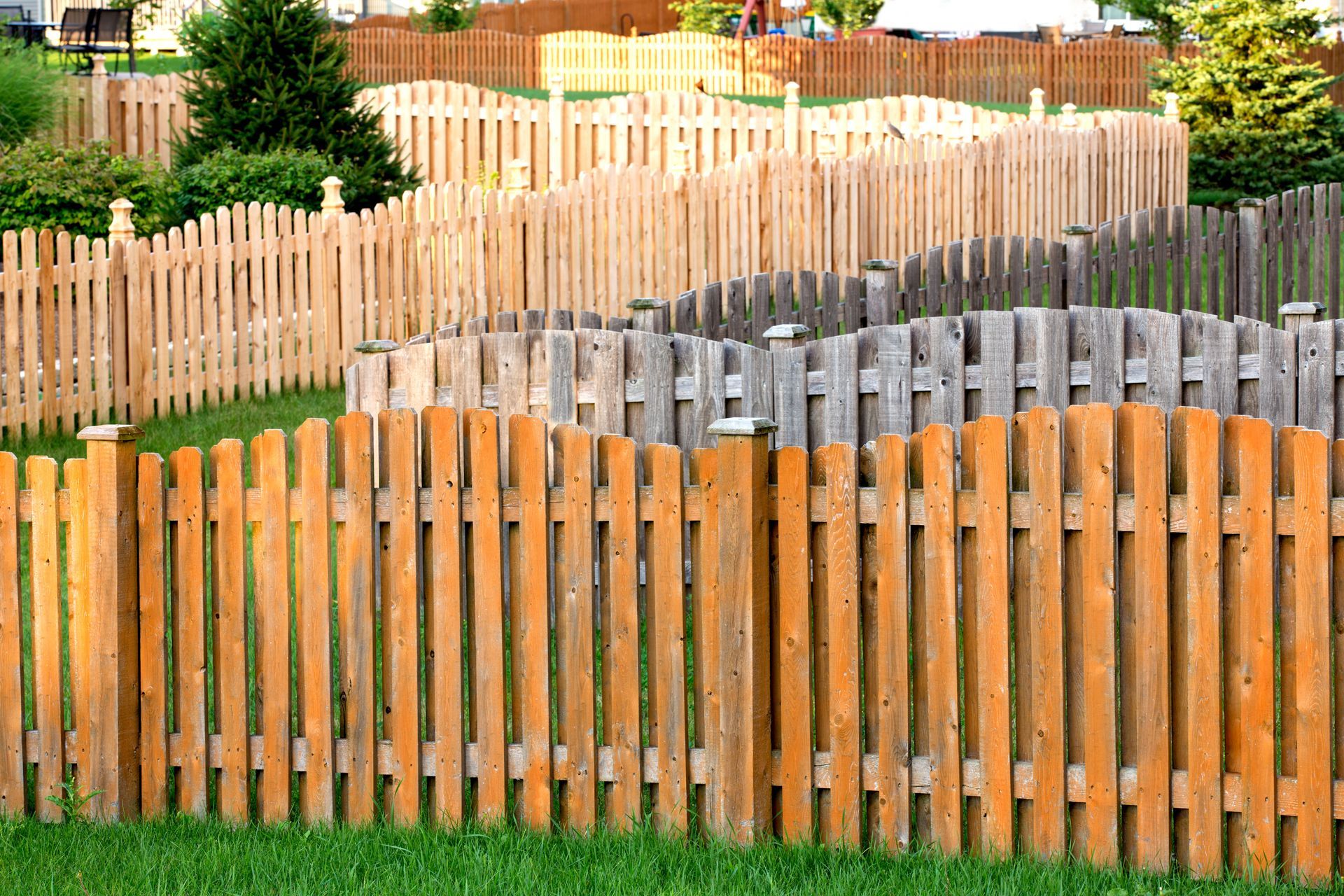
Maintenance needs vary by material. Metal fencing may require corrosion inspections, while wood generally needs protective treatment. Gates and latches should also be checked regularly.
Professional installation establishes a foundation for long-term performance, but maintenance remains essential.
Homeowners should address damaged components promptly and arrange professional repairs when safety concerns arise.
Selecting a Trusted Professional Fence Installer
Reviewing Experience and Qualifications
Choosing the right contractor is important for a successful pool fencing project.
Homeowners should consider installation experience, familiarity with local requirements, and the contractor's approach to safety.
A reputable provider should explain available materials, discuss installation challenges, and communicate expectations clearly.
Reviewing completed work and customer feedback provides insight into workmanship and service quality.
Asking About Installation Practices
Before selecting a contractor, property owners should understand how the proposed installation addresses their needs.
Important discussion topics include material recommendations, gate hardware, permitting responsibilities, timelines, and warranties.
Clear communication prevents misunderstandings and allows homeowners to evaluate proposed work confidently.
At Good Neighbor Fence Company, we believe informed customers make better decisions about their property's long-term needs.
Prioritizing Safety and Reliable Service
A professionally installed pool fence represents an investment in property safety, functionality, and appearance.
Choosing experienced installers ensures important details receive attention throughout planning and construction. Partnering with a reputable fencing company also provides guidance when evaluating safety features and maintenance needs.
From material selection to final adjustments, every stage contributes to the enclosure's effectiveness.
Good Neighbor Fence Company is committed to helping property owners find dependable fencing solutions. If you're planning a pool fence installation, contact our team to discuss your project and learn how professional service can help create a safer, more attractive outdoor space.