November 9, 2026
Choosing the right fencing material involves more than finding an option that looks good. Homeowners must consider their property's layout, privacy needs, budget, maintenance expectations, and long-term goals. Each material offers different advantages, making it important to compare options before starting an installation project. Working with a local fence contractor can also help determine which materials are best suited to the property and climate.
Understanding Your Fencing Needs
Assessing Property Requirements
Start by identifying the primary purpose of your fence. Some homeowners want additional privacy, while others need better security, attractive boundaries, or a safe enclosure for children and pets. Property characteristics also matter. Sloped terrain, uneven ground, drainage conditions, and strong winds can influence which materials and installation methods are appropriate. A local fence contractor can evaluate these conditions and recommend options that accommodate the property's layout.
Establishing a Realistic Budget
Budget considerations should include more than the initial material price. Wood and chain link are generally affordable options, while composite, ornamental metal, and specialty materials may require a larger investment. Installation labor, property preparation, and future maintenance should also factor into the total cost. According to Home Advisor, when done correctly, a new fence can offer as much as a 70% ROI. This potential return makes quality materials and professional installation worthwhile considerations.
Matching Style and Function
A fence should complement the home's architecture while meeting practical needs. Wood provides a traditional appearance, while metal offers a decorative look. Vinyl and composite provide additional choices in colors, textures, and designs. Homeowners should also consider their desired level of privacy, visibility, and security. Comparing these priorities makes it easier to identify materials that balance appearance and functionality.
Reviewing Local Restrictions
Local building codes and homeowners association guidelines may determine acceptable fence heights, materials, colors, and placement. Property boundaries and utility easements can also affect installation plans. Reviewing these requirements beforehand helps prevent costly changes. An experienced local fence contractor can help homeowners account for applicable restrictions.
Comparing Traditional Fencing Materials
Wood Fencing Options
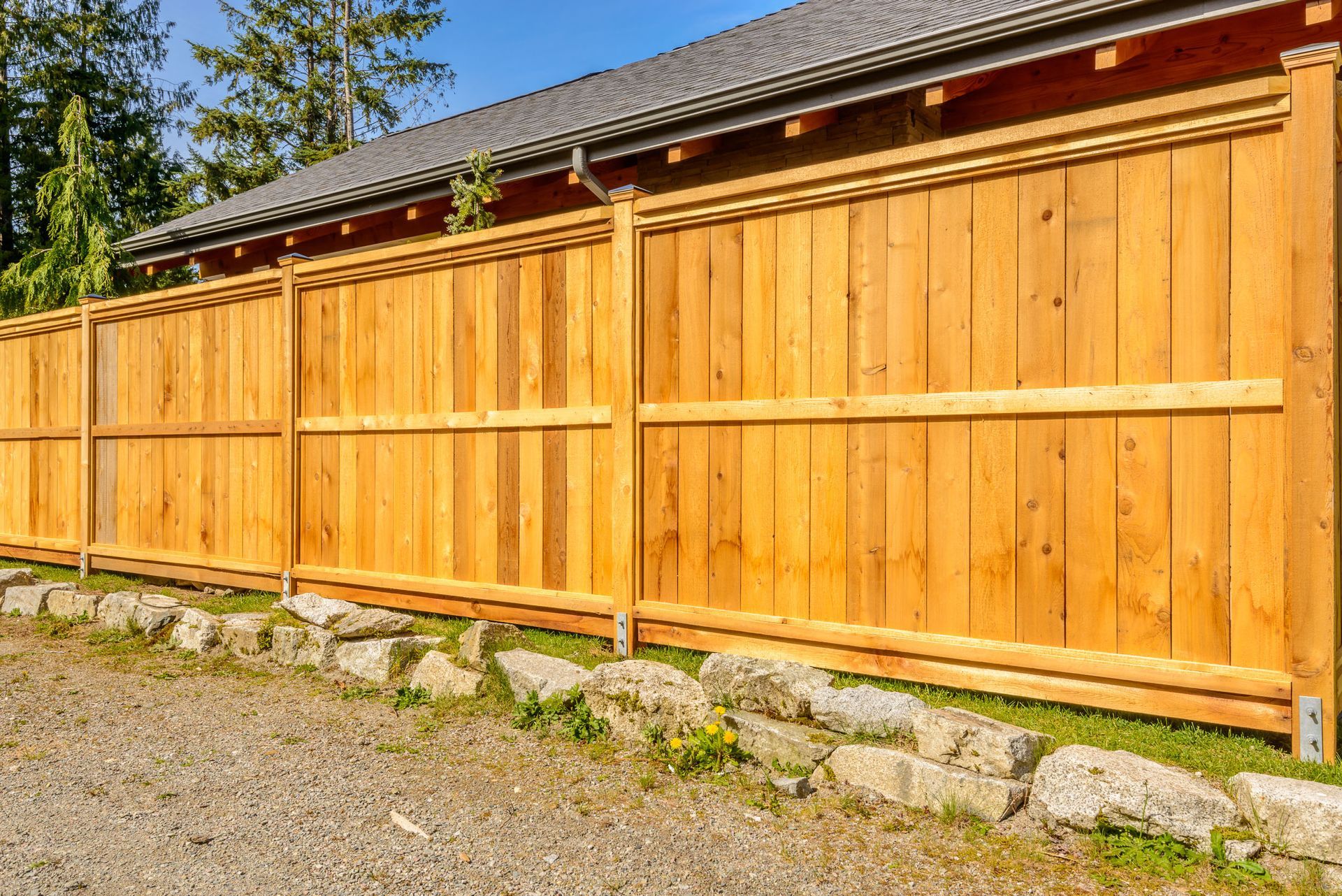
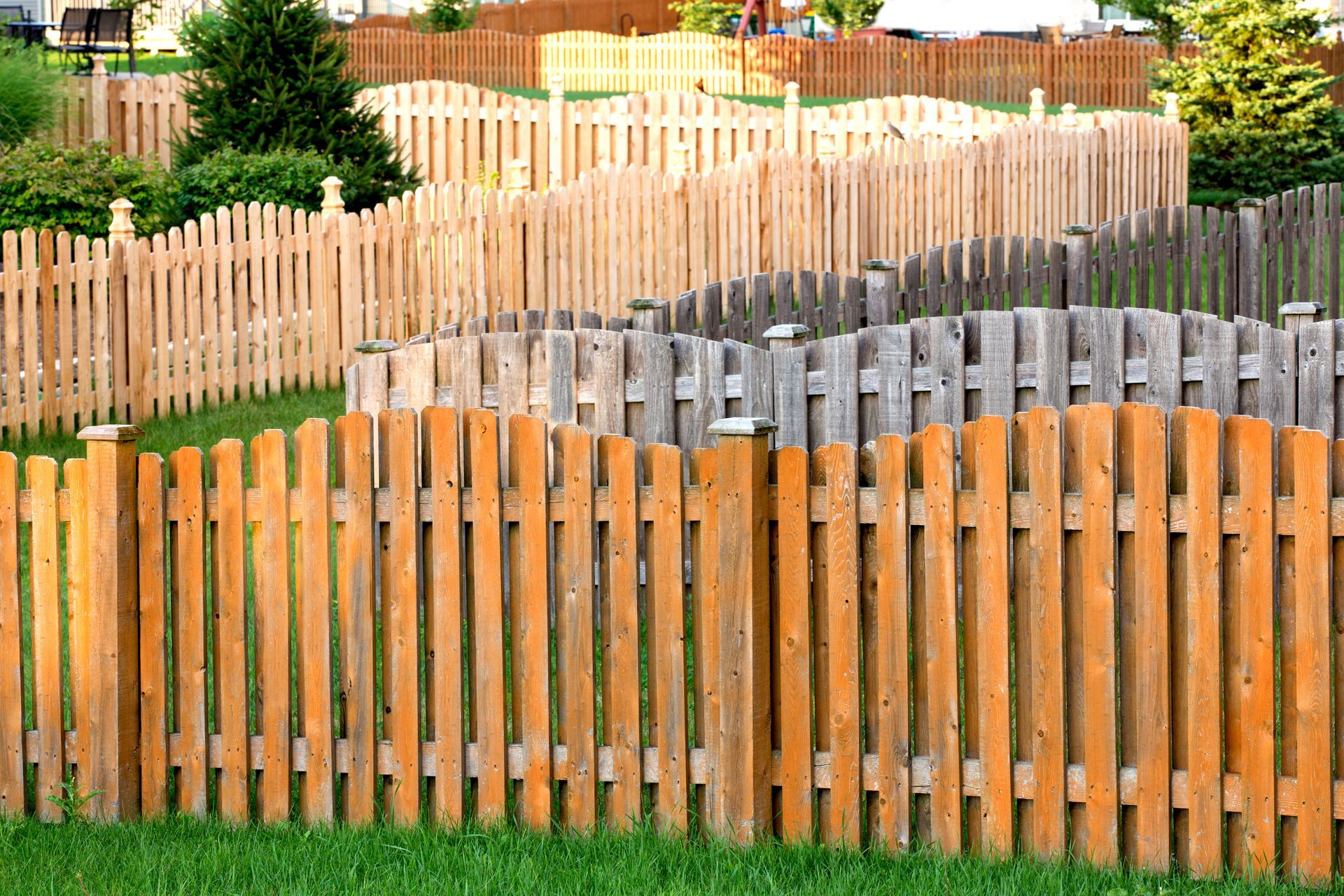
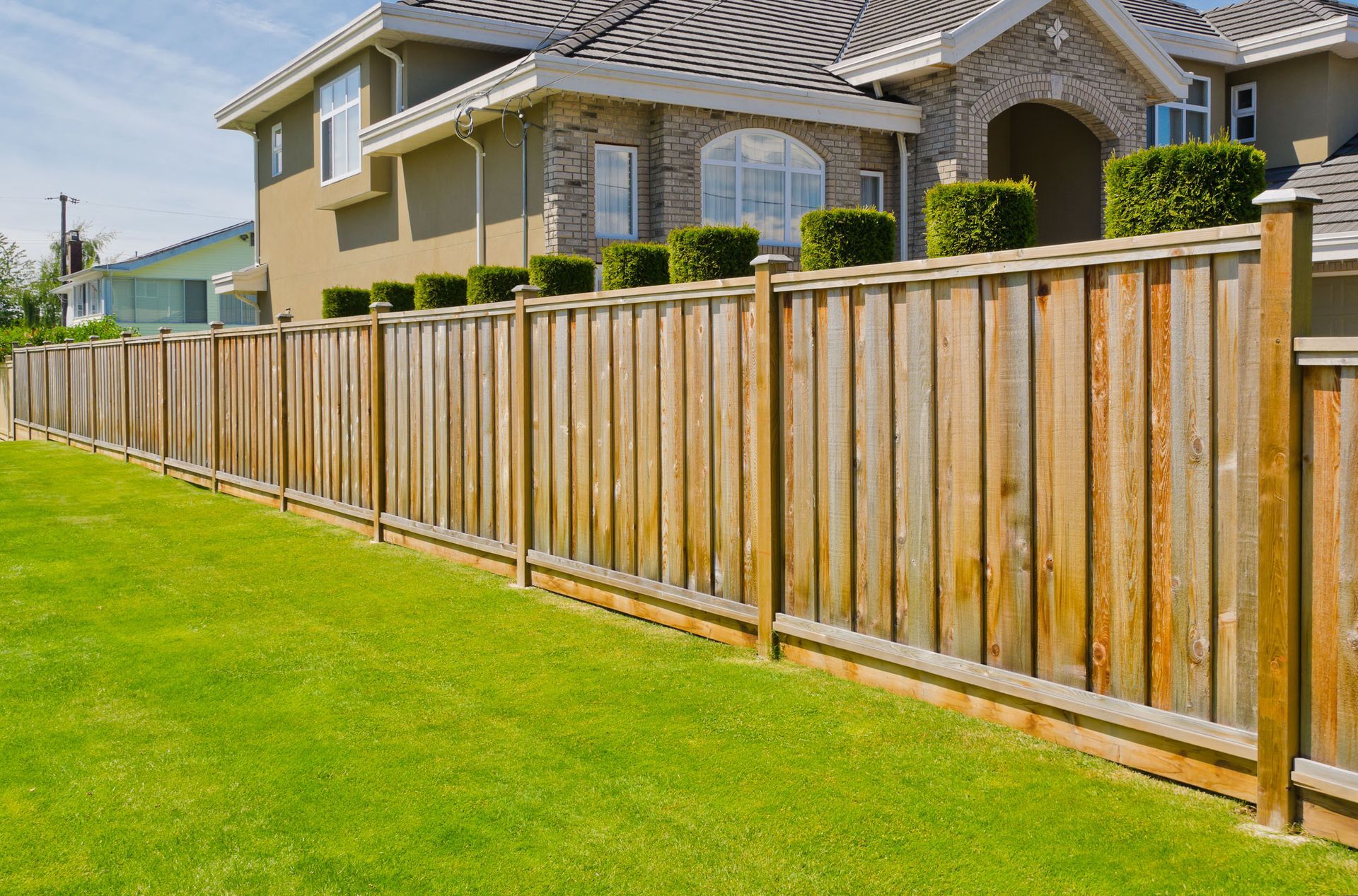
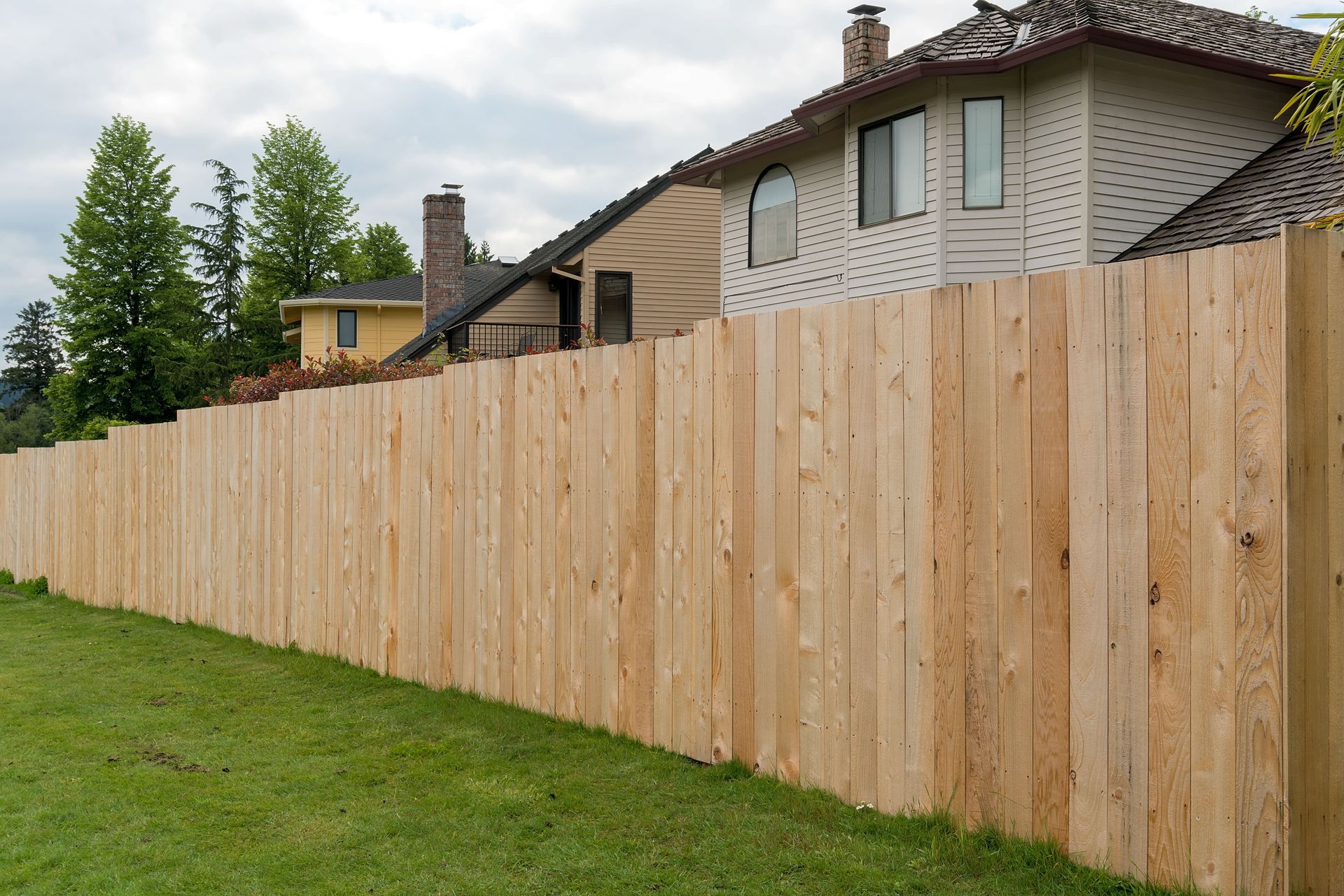
Wood remains popular because of its natural appearance and design flexibility. Pine, cedar, and redwood are common choices, each offering different characteristics. Treated pine is often more affordable, while cedar and redwood naturally resist certain forms of decay and insect damage.
Wood fences can be customized into privacy panels, picket designs, and lattice patterns. However, they require consistent maintenance to protect against moisture, sunlight, and pests. Staining, sealing, or painting may be necessary every few years. Without proper care, boards can warp, crack, or rot. Homeowners should consider these responsibilities when comparing wood with lower-maintenance alternatives.
Vinyl Fencing Options
Vinyl is a versatile option for homeowners who want an attractive fence without extensive upkeep. Available in several colors, textures, and configurations, it can replicate traditional wood while requiring less maintenance. Vinyl does not rust or rot, and it resists insect damage and moisture exposure.
Although vinyl generally costs more initially than basic wood fencing, its limited maintenance requirements can create long-term savings. Routine cleaning with water and mild detergent is usually sufficient to remove dirt and stains. Homeowners should still inspect panels and posts for damage, particularly after severe weather. A local fence contractor can explain which vinyl styles are appropriate for different property conditions.
Metal Fencing Options
Metal fencing provides strength, durability, and security. Common options include aluminum, steel, and wrought iron. Aluminum is relatively lightweight and naturally resistant to rust, making it useful in areas with frequent moisture exposure. Steel offers considerable strength, while wrought iron provides a distinctive decorative appearance.
Metal fences typically require less maintenance than wood, although occasional inspections for corrosion, loose connections, and damaged coatings remain important. Protective finishes help preserve their appearance and durability. While the initial investment may be higher, metal fencing can provide lasting value for homeowners who prioritize security and an attractive design.
Exploring Modern Fencing Alternatives
Composite Fencing Options
Composite fencing combines materials such as recycled wood fibers and plastic to create an alternative that resembles traditional wood. It is available in different colors, textures, and designs, allowing homeowners to achieve a natural appearance without many of the maintenance demands associated with lumber.
Composite generally resists rot, insect damage, and warping better than conventional wood. It does not require routine staining or sealing, although periodic cleaning and inspections are necessary. Its initial cost is often higher than basic wood or vinyl, but reduced maintenance and fewer repairs may make it appealing over time. Some products also incorporate recycled materials.
Bamboo Fencing Options
Bamboo offers a distinctive appearance and is considered renewable because the plants regenerate relatively quickly. Its natural texture can complement landscaping while providing privacy. However, durability depends on the product's construction, treatment, and exposure to moisture. Homeowners should compare available options and understand their maintenance requirements before choosing this material.
Stone and Brick Fencing Options
Stone and brick fences create substantial, traditional boundaries that provide privacy and security. Both materials are naturally durable and generally require less routine maintenance than wood. They can also complement certain architectural styles and landscaping designs.
However, masonry fencing usually involves higher material and labor costs. Proper foundations and skilled installation are important because of the weight and construction requirements. These options appeal to homeowners who prioritize permanence over lower upfront costs.
Chain Link Fencing Options
Chain link is a practical and economical choice for defining property boundaries, containing pets, and securing larger areas. Its open design provides visibility while creating a dependable physical barrier. Galvanized and coated versions offer additional protection against rust and weather exposure.
Although chain link provides limited privacy, privacy slats and landscaping can improve screening. Maintenance is straightforward, involving occasional cleaning and inspections for damaged sections or loose fittings. Its affordability makes it useful when function and budget are the primary concerns.
Glass and Living Fencing Options
Glass fencing provides a contemporary appearance while preserving visibility. Tempered glass panels are commonly used around pools, patios, and properties with scenic views. Although installation can be expensive, glass creates a barrier without obstructing the surrounding landscape.
Living fences offer another approach by using hedges, shrubs, or trees to define property boundaries. They can support local wildlife, improve landscaping, and create natural screening. However, plants require ongoing trimming and care, and privacy may take time to develop. Growth patterns and seasonal changes should be considered before selecting this option.
Choosing the Right Material for Your Property
Comparing Long-Term Value
Every fencing material involves trade-offs between initial cost, durability, appearance, and maintenance. Wood may appeal to homeowners who want a traditional design at a manageable starting price. Vinyl and composite offer alternatives for those who prefer less upkeep, while metal and masonry provide additional strength and longevity.
Homeowners should consider how long they expect the fence to last and how much maintenance they are comfortable performing. Comparing total ownership costs rather than focusing exclusively on installation prices can lead to a more practical decision.
Planning a Professional Installation
Material selection is only one part of a successful fencing project. Proper measurements, post placement, ground preparation, and secure installation all influence the finished fence's stability and appearance. Working with a local fence contractor allows homeowners to discuss these details before construction begins. Professional guidance can also help identify challenges involving slopes, soil conditions, property lines, and material compatibility.
Homeowners should compare material recommendations, installation experience, and project details before making a final decision. A knowledgeable local fence contractor can explain the advantages and limitations of different options, helping homeowners choose a fence that fits their needs.
For guidance on selecting materials and planning a new installation, contact Good Neighbor Fence Company. Their team can help homeowners explore suitable fencing options and take the next step toward a fence that meets their property's needs.