November 4, 2026
A security fence should do more than mark where a property ends. It should support everyday activities, guide visitors toward appropriate entrances, and fit comfortably within the surrounding landscape. The right design can offer greater privacy or discourage casual trespassing without making a home feel closed off. Achieving that balance starts with understanding how the outdoor space is used. Materials, fence height, gate placement, and nearby plantings all influence the finished result. When these decisions are made together, a practical boundary can become a natural part of the property rather than an afterthought.
Balancing Security With Landscape Design
A successful fence design begins with the building itself. A traditional home might suit warm wood tones or simple pickets, while a contemporary house may look better with horizontal boards or clean metal lines. The goal is not to make the fence disappear. Instead, its proportions and finish should relate to nearby features, including walkways, retaining walls, patios, and garden beds.
Visibility matters, too. Open metal panels preserve views of the street or garden, while solid panels provide greater screening for patios and seating areas. A fence company can help property owners compare these trade-offs before choosing a design. Mixing styles may also make sense: an open front-yard boundary can transition to a more private enclosure behind the house.
Choosing Materials for Appearance and Durability
Every fencing material brings its own character and maintenance needs. Wood offers a natural appearance and can be stained or painted, but it needs periodic attention to moisture, insects, and weathered finishes. Composite products can provide a wood-like look with different upkeep requirements, although performance varies by manufacturer and installation conditions.
Aluminum works well where an open, ornamental look is preferred. Steel can offer greater strength for applications that call for it, provided its protective finish and connections are maintained. Chain-link fencing is useful when visibility, ventilation, and a defined perimeter matter more than complete privacy. A fence company should consider the specific product, local climate, and intended use rather than describing any one material as universally superior.
Selecting Height and Privacy Features
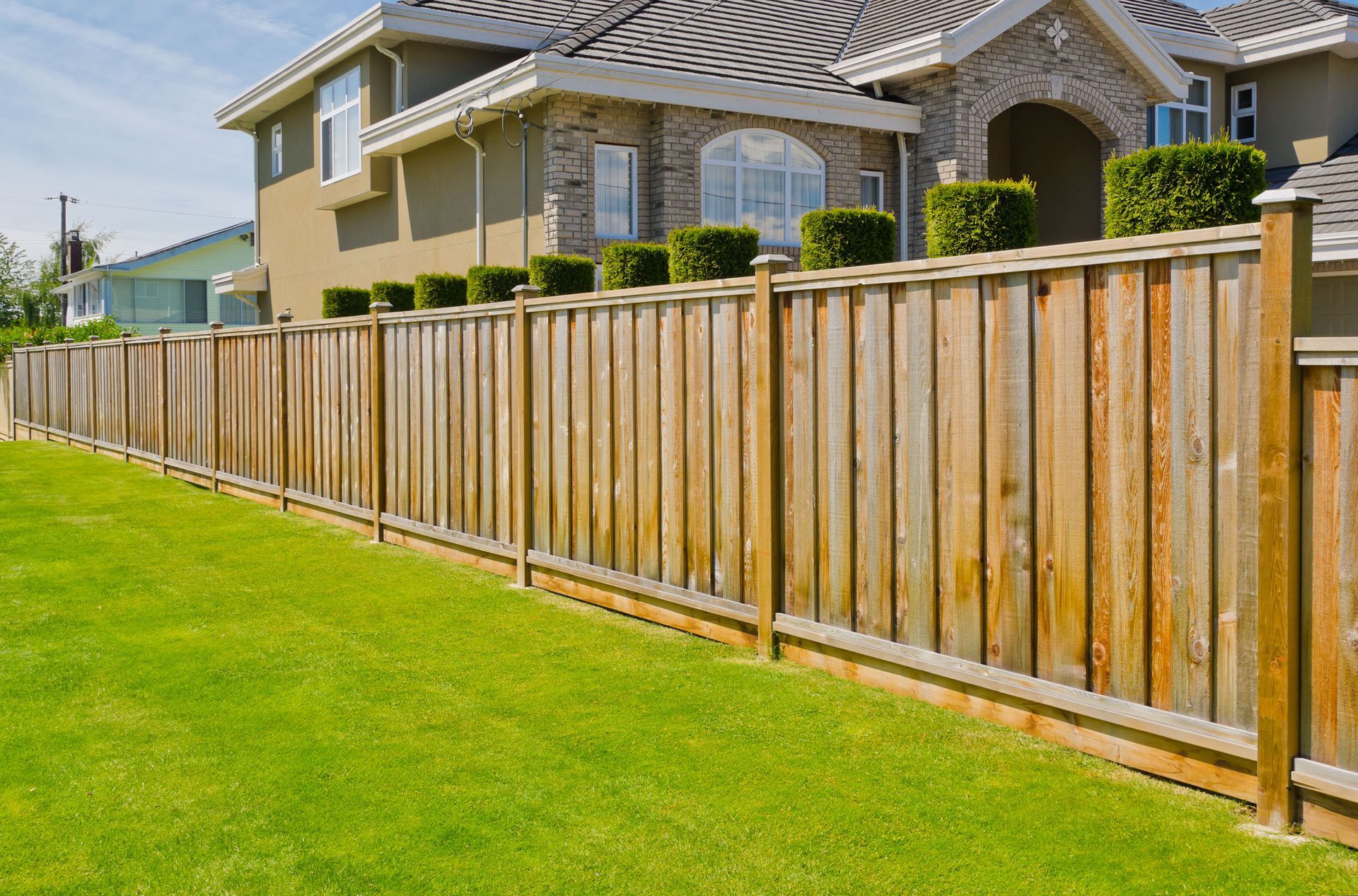
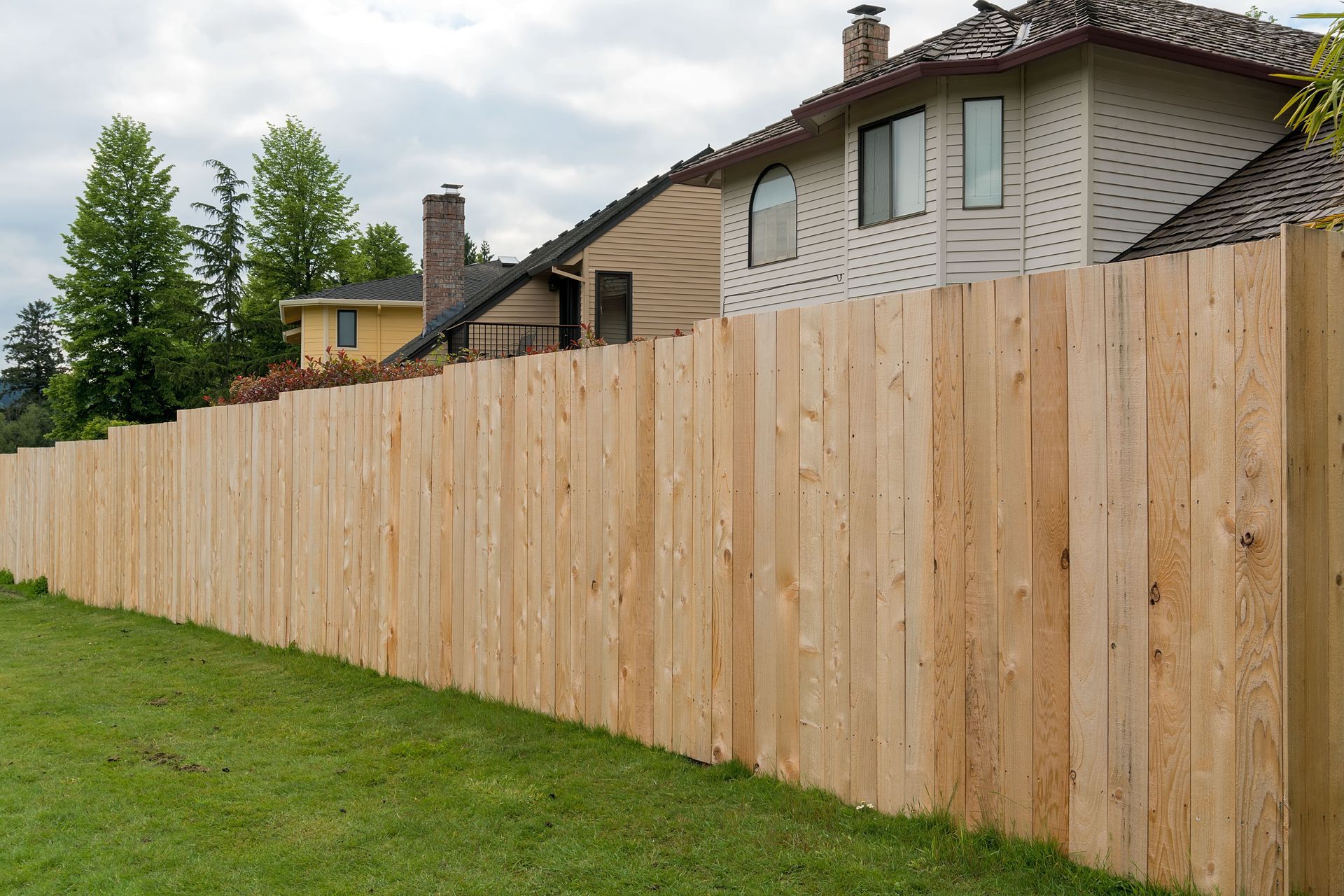
Fence height affects privacy, sightlines, and the way a yard feels. A shorter decorative fence can identify a boundary without blocking views, whereas a taller solid panel may screen a patio or neighboring window. Before settling on a height, owners should stand in the areas where they want privacy and consider the viewpoints they are trying to address. Grade changes can make a fence appear taller or shorter from different locations.
According to The Spruce, when it comes to vinyl fencing, most people choose fences in the 4- to 6-foot range, although shorter and taller options are generally available. A fence company can also explain how spacing, lattice details, and panel orientation change visibility without relying entirely on height. For pool areas, applicable barrier requirements must guide the design.
Planning Gates and Everyday Access
A fence is only as convenient as its entry points. Gates should align with established walking routes, driveways, trash collection areas, and places where equipment must pass. A narrow pedestrian gate may work near the front walk, while a wider opening could be necessary for lawn maintenance or deliveries.
Hardware deserves the same attention as the panels. Hinges, latches, and posts need to suit the gate's weight and expected use. Some properties may benefit from self-closing hardware or controlled access, but the correct option depends on the setting and applicable requirements. An installer can discuss gate swing direction, clearance over uneven ground, and whether nearby plants could obstruct operation. Well-placed lighting can improve visibility after dark without directing glare toward neighbors.
Assessing Terrain and Environmental Conditions
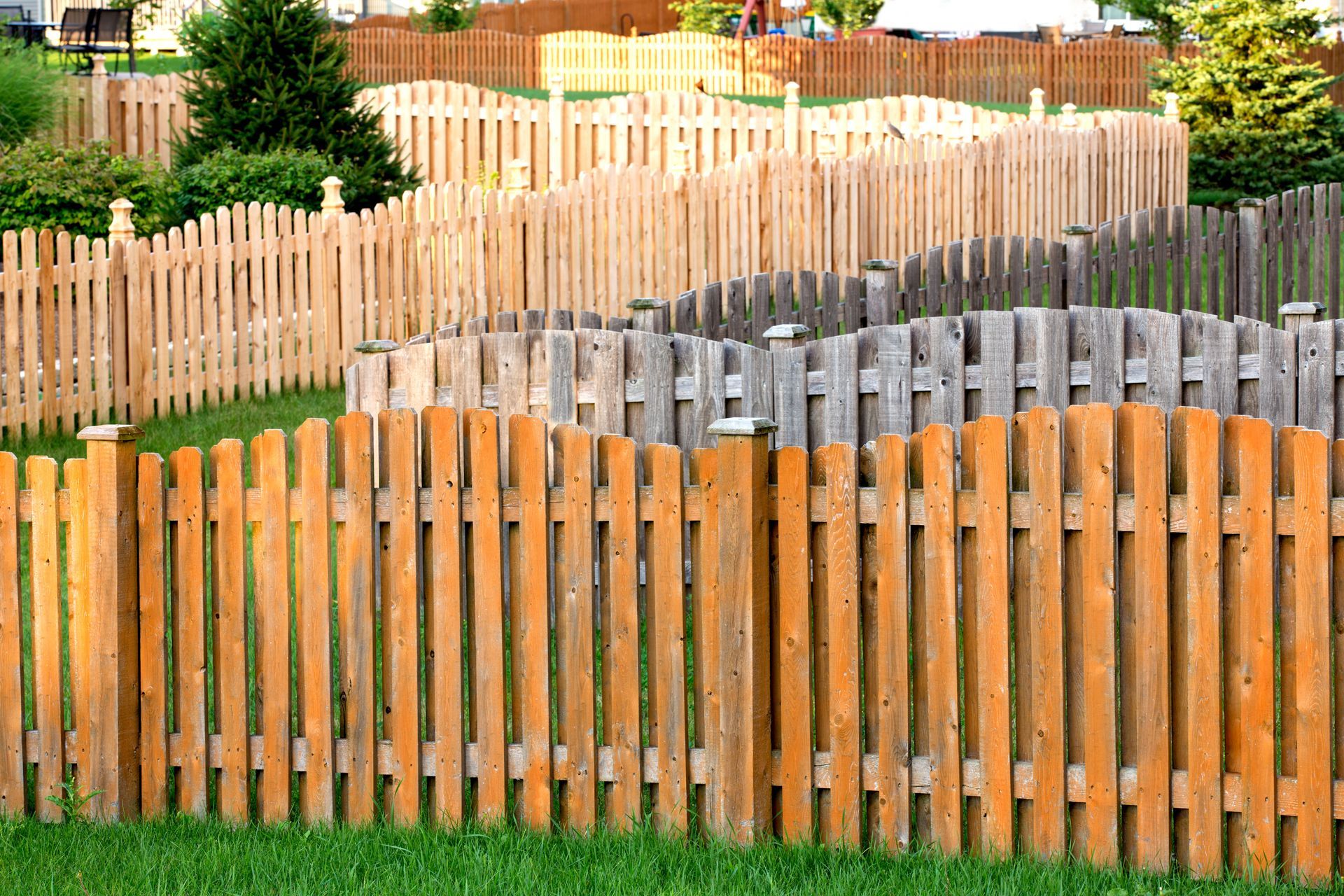
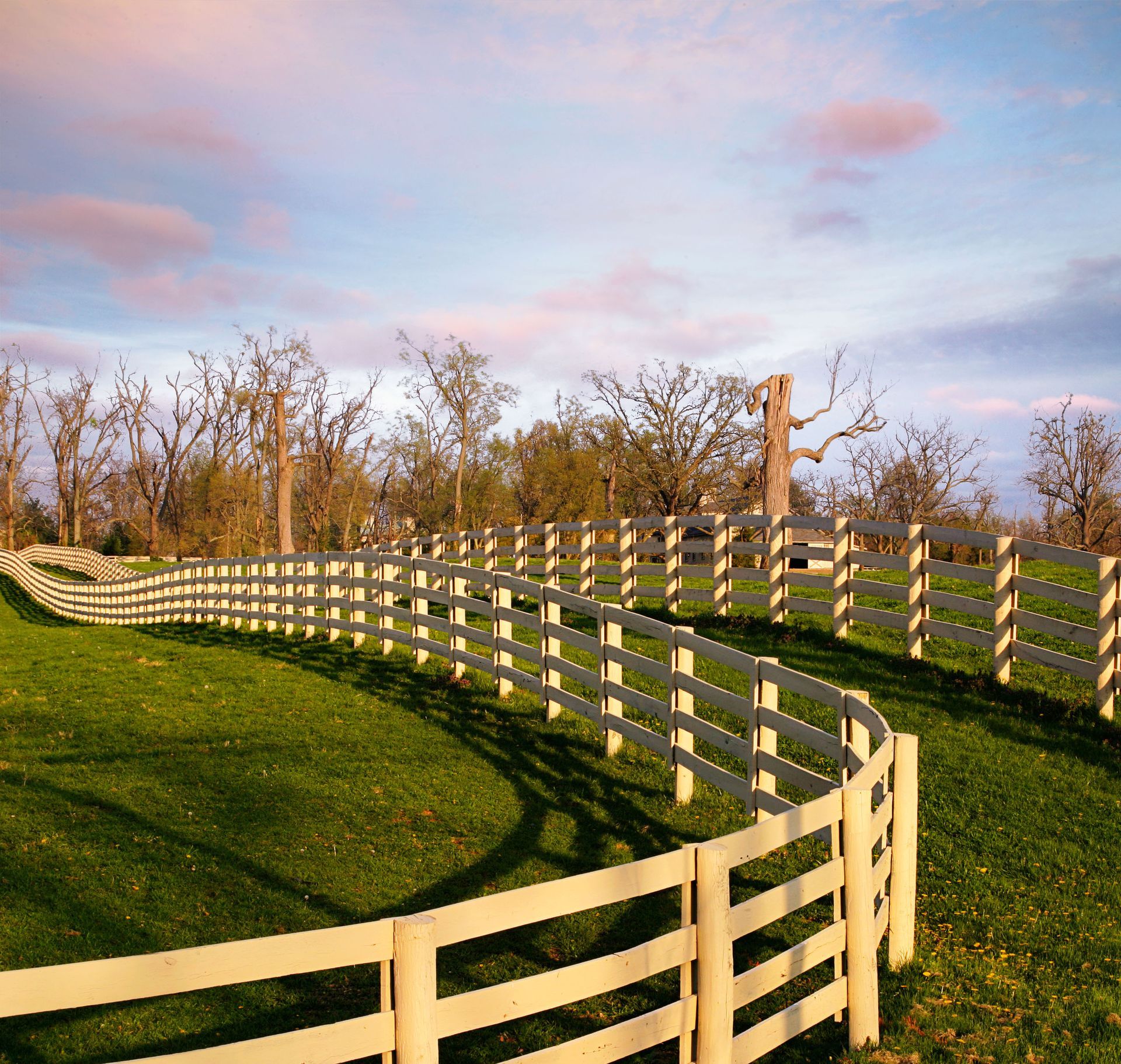
Sloped lots, mature trees, drainage paths, and varying soil conditions can all affect fence placement. On uneven ground, panels may follow the slope or step down in sections. Each approach changes the appearance and can create different gaps beneath the fence. Owners with pets or children should consider those openings when discussing layout options.
Soil and weather conditions also influence structural decisions. Posts need suitable depth and support for the fence design and site, especially where wind exposure is significant. Water that regularly collects along a boundary deserves attention before installation rather than afterward. Roots and buried utilities can restrict where digging takes place, and local utility-marking procedures should be followed. An experienced fence company can evaluate visible site challenges and identify when a survey, drainage specialist, or other qualified professional is needed. Preserving important trees may require adjusting the fence line instead of disturbing major roots.
Checking Boundaries and Local Rules
Before installation begins, property owners should confirm the proposed fence location against reliable boundary information. An existing fence, hedge, or mowing line does not necessarily establish the legal property line. When boundaries are uncertain, a licensed surveyor may be needed. Neighboring easements, shared access areas, and utility rights can also affect where a new structure belongs.
Local rules may address height, setbacks, visibility near intersections, historic districts, and permitted materials. Homeowners associations can impose additional design restrictions where applicable. These requirements differ by location, so assumptions based on another neighborhood may create costly mistakes. An installer can help owners identify questions for the appropriate authority and plan around confirmed restrictions. For a pool enclosure or commercial property, separate safety and access provisions may apply.
Considering Technology and Specialized Security
Not every property needs automated gates, cameras, or electronic access controls. Where these features are useful, however, they should be planned alongside the fence rather than attached as an afterthought. Power access, gate movement, lighting placement, and maintenance access all influence what is practical. Cameras also require careful positioning to avoid unnecessary intrusion on neighboring privacy.
Commercial sites may need different arrangements from residential yards, including controlled vehicle entrances or fencing that supports clear sightlines for staff. Specialized high-security applications require project-specific design and, in some cases, coordination with qualified security professionals. No fence can eliminate every threat. A
fence company can contribute to a broader site plan by explaining physical barriers and installation considerations while leaving electronic systems and specialist assessments to the appropriate providers.
Maintaining the Finished Landscape
Even a well-installed fence benefits from occasional inspection. Property owners can look for loose fasteners, leaning posts, damaged finishes, and gates that drag or fail to latch correctly. Wood may need refinishing, metal coatings may require touch-ups, and vinyl panels should be cleaned according to the manufacturer's guidance. The right schedule depends on the material and local conditions.
Landscaping should be maintained with the fence in mind. Vines and dense shrubs can trap moisture, hide damage, or make repairs difficult. Allowing appropriate clearance around posts and gates gives plants room to grow while keeping hardware accessible. A practical maintenance plan protects the appearance of the fence and helps owners notice small problems before they become larger repairs.
Creating a Cohesive Outdoor Space
Security fencing works best when it answers real needs without competing with the rest of the property. Material selection, privacy preferences, gates, drainage, and local restrictions should all be considered as parts of one project. That approach leaves more room for thoughtful decisions, whether the goal is a private backyard retreat or a clearly defined commercial perimeter.
Contact Good Neighbor Fence Company to discuss fence styles that suit your property and project priorities. With a clear plan and realistic expectations, a fence can provide a useful boundary while complementing the landscape around it.