April 14, 2026
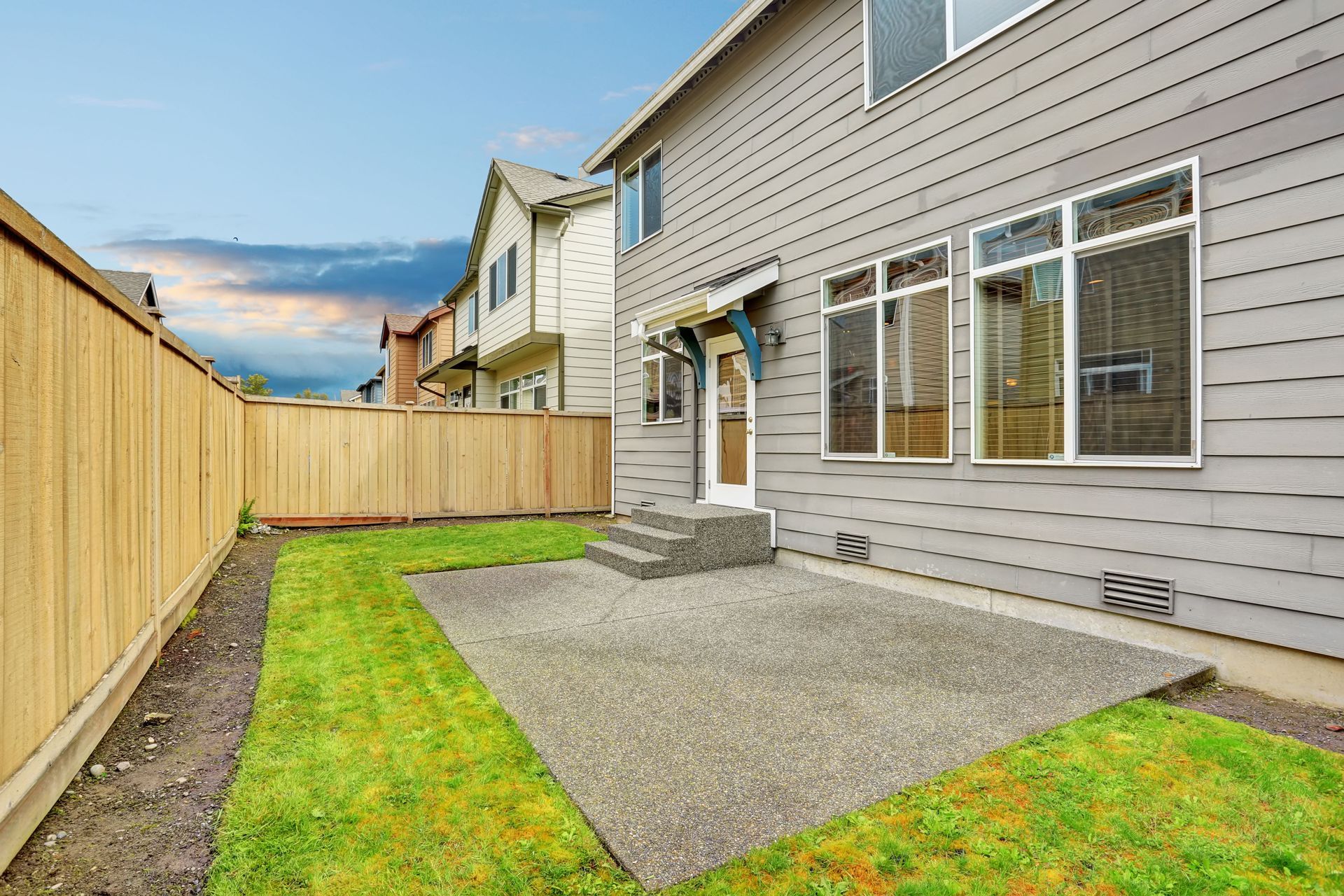
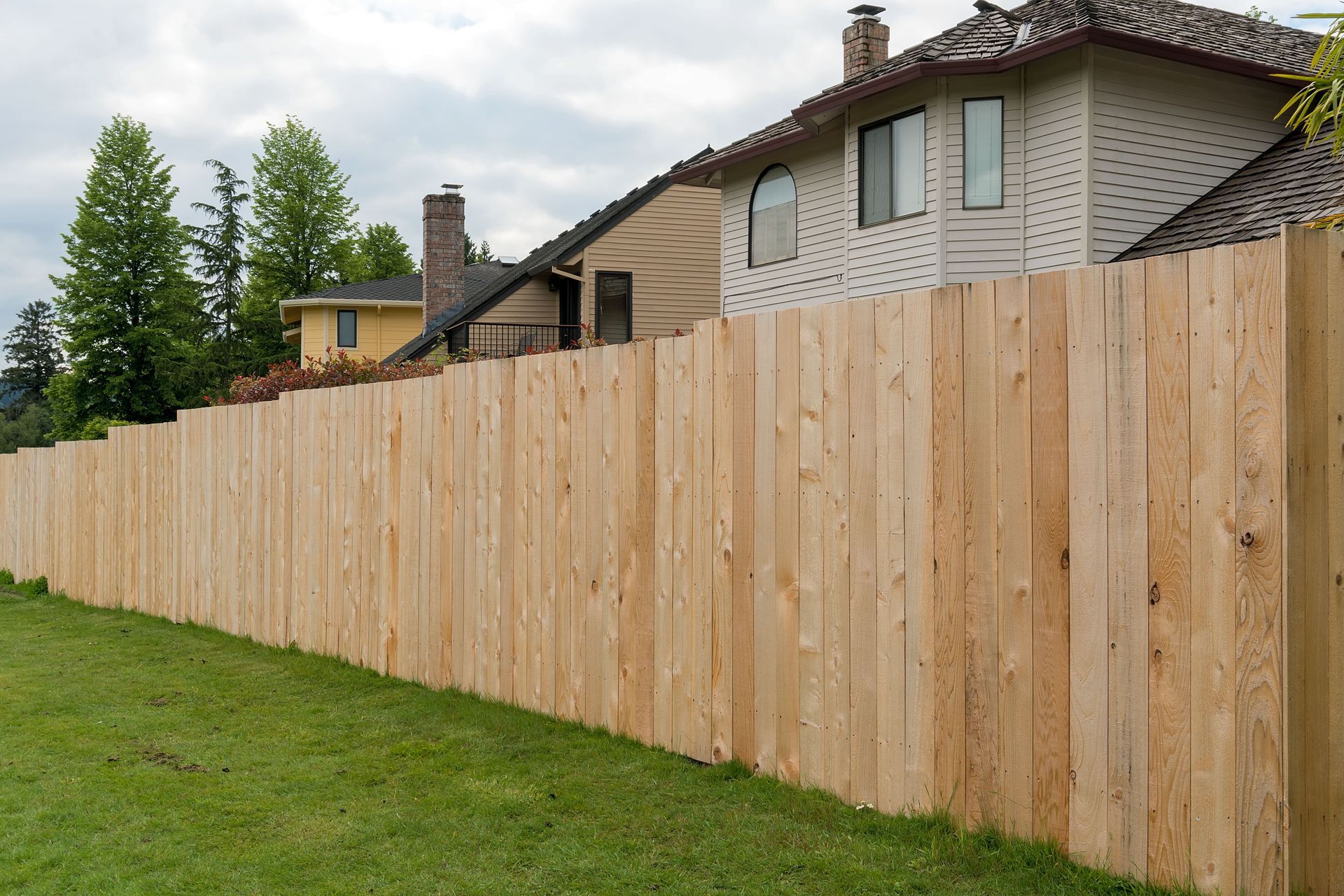
A well-designed fence does more than define a boundary—it shapes how an entire outdoor space feels and functions. When done right, it blends into the environment instead of interrupting it. That’s where a skilled fence contractor comes in, bringing together landscaping and hardscaping elements to create something that feels intentional, balanced, and visually complete.
Think of your yard as a system rather than separate parts. The fence, plants, pathways, and structural features should all work together. When these elements are aligned, the result is a space that feels natural, adds value, and supports how you actually use your property. This article breaks down how that integration happens in practical, real-world terms.
Blending Natural Elements and Structures
A strong fence design starts by treating the natural landscape as part of the build, not an afterthought. Instead of placing a fence and then figuring out how to soften it, an experienced fence contractor evaluates existing greenery, soil conditions, and layout from the beginning. This approach leads to a design that feels like it belongs.
Plants play a major role here. Shrubs, climbing vines, and hedges can soften hard lines and add depth. For example, staggered plant placement along a fence line creates a layered look that reduces the visual impact of the structure. It also improves privacy without relying solely on fence height.
There’s also a practical side to this. Strategic landscaping can help with drainage, reduce erosion, and protect the fence from long-term damage. When natural elements and structures are blended correctly, the result is both functional and visually cohesive.
Working With The Land Instead of Against It
Topography is one of the most overlooked factors in fence design, yet it has a major impact on both durability and appearance. Sloped yards, uneven terrain, and natural contours require more than a one-size-fits-all installation. A knowledgeable fence contractor adapts the design to the land rather than forcing the land to fit the fence.
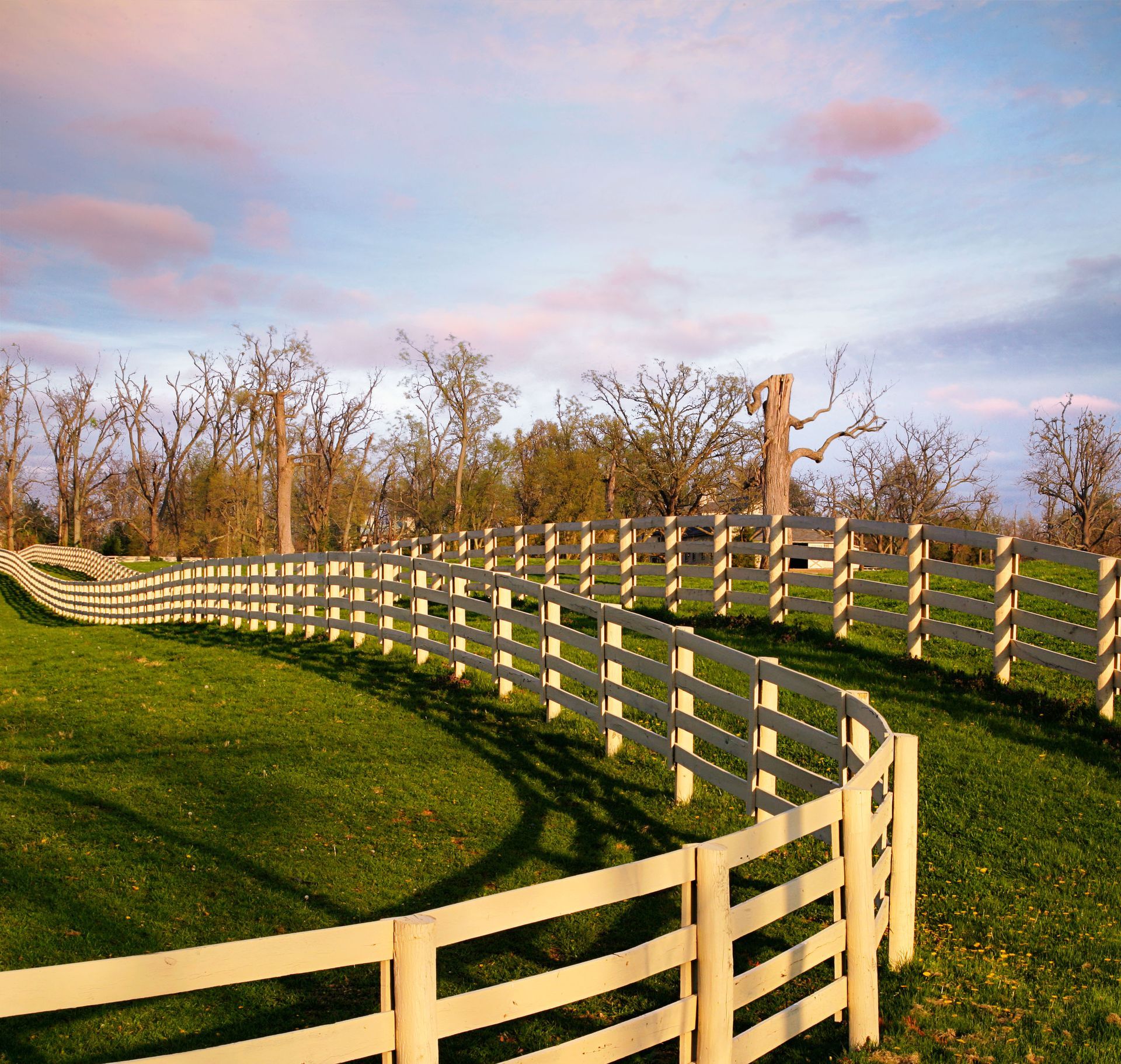
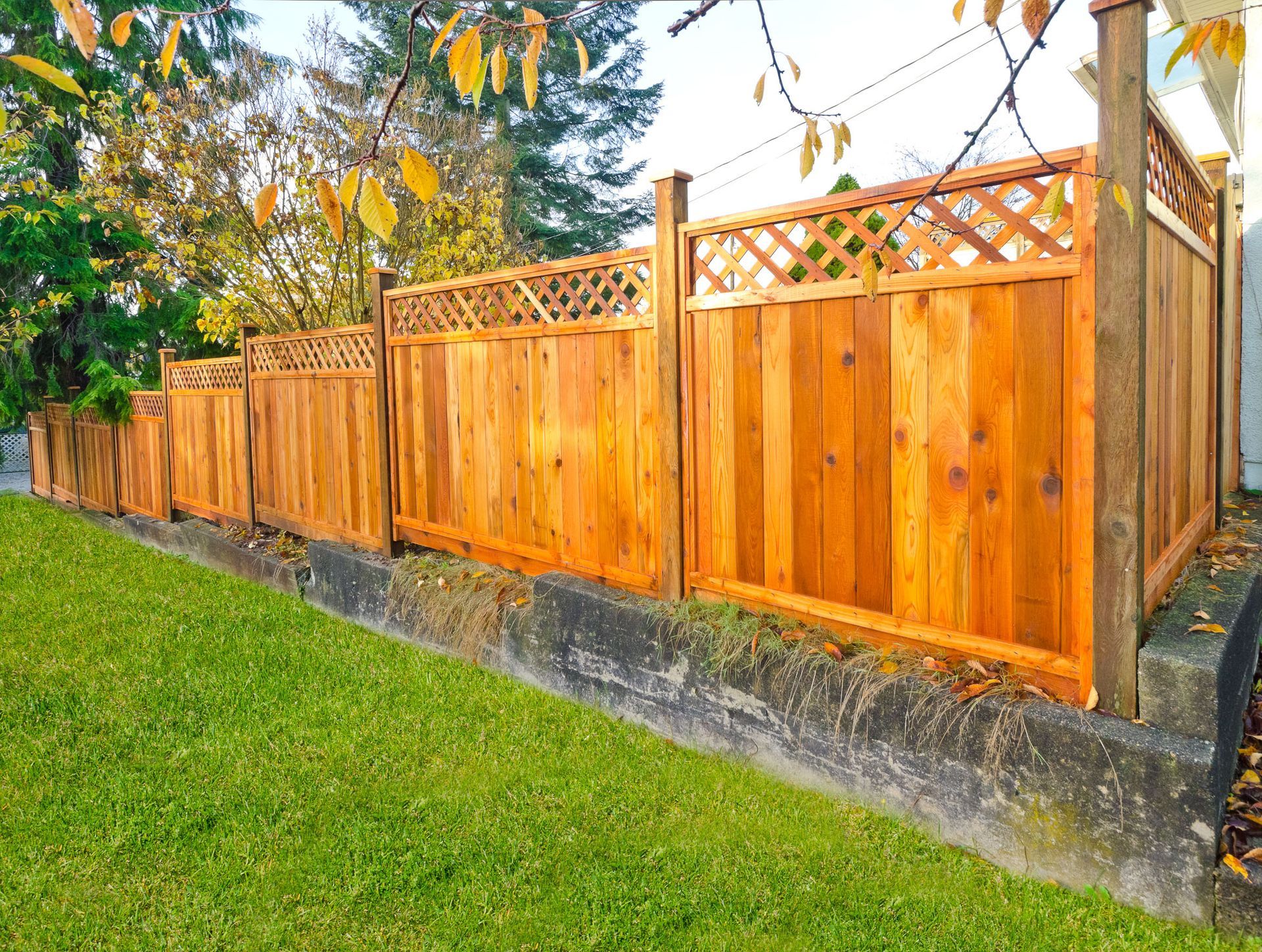
This might mean stepping the fence along a slope, contouring it to follow the grade, or incorporating retaining elements where needed. These decisions affect not just how the fence looks, but how well it performs over time. Poor alignment can lead to gaps, instability, or water issues.
Designing with the land also creates a more natural visual flow. The fence becomes part of the landscape instead of standing out as a rigid, disconnected structure. That’s what gives a property a polished, intentional feel.
Creating Visual Flow Through Planting and Materials
Consistency is what ties an outdoor space together. When materials, colors, and plant choices align, the entire property feels more cohesive. A fence contractor often works with repeating elements—like matching wood tones, complementary stonework, or coordinated plant palettes—to create that sense of flow.
Using native or regionally appropriate plants is one of the most effective strategies. These plants naturally match the environment, require less maintenance, and help the fence blend into its surroundings. They also support local ecosystems, which adds another layer of long-term value.
Material selection matters just as much. If your patio uses natural stone, incorporating similar textures into fence posts or bases creates continuity. If your home has modern finishes, a sleek metal fence with minimal landscaping might be the better fit. The goal is alignment, not contrast for the sake of it.
Incorporating Hardscape Features for Structure and Function
Hardscaping adds structure to outdoor spaces, and when integrated properly, it strengthens the overall fence design. Elements like stone columns, concrete footings, and paved pathways do more than look good—they improve stability and usability.
A fence contractor might use masonry pillars to anchor long fence runs or connect fencing to an existing patio. These features create visual weight and make the design feel more permanent. They also provide opportunities to introduce texture and contrast in a controlled way.
Pathways and patios are especially important. When they align with fence lines, they guide movement through the space naturally. Instead of feeling segmented, the yard becomes easier to navigate and more enjoyable to use. Hardscaping essentially frames the fence, giving it context within the larger design.
Collaborating With Designers and Homeowners
Fence design rarely happens in isolation. It often involves input from homeowners, landscape designers, and sometimes architects. A collaborative approach leads to better outcomes because it ensures that every element serves a purpose and fits within a larger vision.
A fence contractor typically starts by understanding how the space will be used. Is privacy the priority? Security? Aesthetic appeal? From there, decisions about height, materials, and layout become more focused and intentional. Site analysis is a critical step in this process. Factors like sunlight, soil type, drainage, and existing structures all influence the final design. Skipping this step can lead to costly adjustments later.
It’s also worth noting that, according to Grand View Research, there are over 50,000 fence contractors operating across the United States. That level of competition makes thoughtful collaboration and detailed planning even more important, because quality and differentiation matter when so many options exist. Clear communication helps avoid mismatched elements. When everyone involved is aligned from the beginning, the result is a design that feels cohesive rather than pieced together.
Selecting Materials That Balance Style and Performance
Material selection is where design and practicality meet. The right choice depends on climate, maintenance expectations, and the overall look you’re trying to achieve. A skilled fence contractor helps navigate these decisions by weighing both short-term appearance and long-term performance.
Wood remains a popular option for its versatility and natural look. It works well in traditional and transitional designs, especially when paired with landscaping. Metal options like aluminum or steel offer a more modern aesthetic and require less maintenance.
Composite materials are gaining traction as well. They provide the look of wood with added durability and resistance to weather, pests, and decay. For homeowners focused on sustainability, recycled or reclaimed materials can also be incorporated without sacrificing design quality.
Finishes and colors play a key role too. A well-chosen stain or coating not only enhances appearance but also extends the life of the fence. Matching or complementing existing structures helps tie everything together visually.
Executing Installation With Precision and Care
Even the best design can fall short without proper execution. Installation is where planning meets reality, and precision is critical. A professional fence contractor focuses on alignment, spacing, and foundation work to ensure the structure holds up over time.
Minimizing disruption to the existing landscape is also a priority. This might involve protecting plant beds, preserving soil structure, or adjusting equipment use in sensitive areas. The goal is to integrate the fence without damaging what’s already working.
Modern tools and technology have improved this process significantly. Laser levels, digital layouts, and advanced equipment allow for more accurate installations. Some contractors even use aerial mapping or design software to visualize the project before it begins. Efficiency matters, but not at the expense of quality. A well-managed installation process reduces delays, keeps costs in check, and delivers a cleaner final result.
A fence is no longer just a boundary—it’s a design feature that shapes the entire outdoor experience. When landscaping and hardscaping are integrated thoughtfully, the result is a space that feels cohesive, functional, and built to last.
The difference comes down to planning, collaboration, and execution. A knowledgeable fence contractor understands how to bring these elements together in a way that works for both the property and the homeowner. From material selection to installation, every decision contributes to the final outcome. If you’re looking to transform your outdoor space with a design that actually works as a whole, connect with Good Neighbor Fence Company today and start building a fence that fits your landscape, not just your lot line.